.png)


Ruben Distiller - Dvar Torah
- May 11
- 3 min read
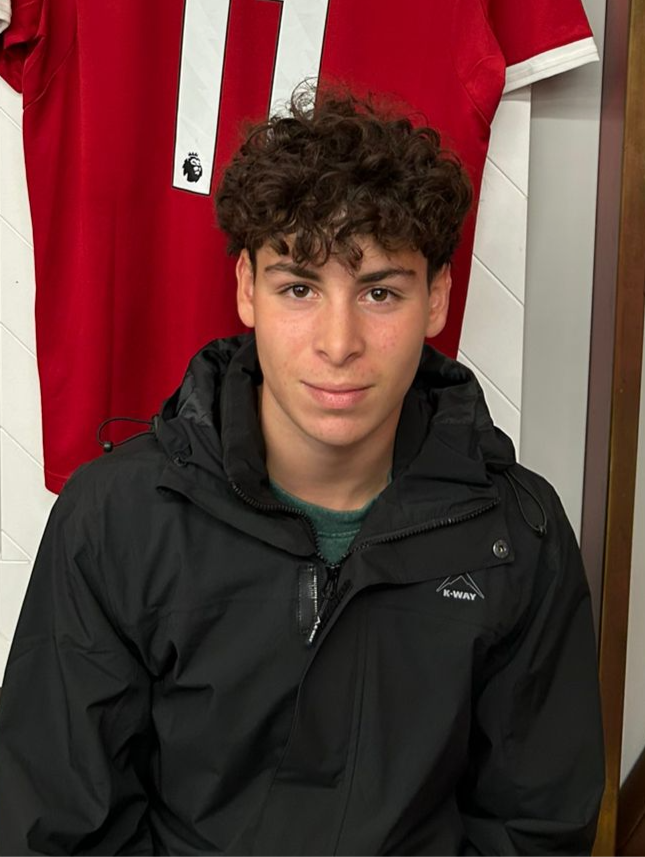
Good morning everyone, thank you for being here to celebrate my barmi with me and my family
Introduction
This week’s parashah, Behar–Bechukotai, can be found in the third book of the Torah, Vayikra/Leviticus
It brings together a powerful idea about how a society should work and what it means to live responsibly. It reminds us that land, wealth, and power are never completely ours — they are held in trust, which means they’re like something we’ve been given to look after, not something we own forever and we’re responsible for how we treat them.
My portion calls for fairness, dignity, and the courage to reset inequality before it becomes permanent. At the same time, it shows that our choices have consequences. But it also leaves us with a really hopeful message: even if you mess up, there is always an opportunity for a second chance.
2. Key theme
A key theme in this portion teaches us something that feels surprisingly modern: life isn’t just about what you have — it’s about how you use it.
In Behar, we hear about the Sabbatical year and the Jubilee year, where the land rests, debts are forgiven, and people get a fresh start. Imagine a world where, every so often, everything resets — no one is stuck forever, and everyone gets another chance.
In Bechukotai, we hear about blessings and consequences. If people act with fairness and responsibility, things go well. If not, things fall apart. It’s not just about reward and punishment — it’s about the kind of society we create together.
What stands out to me is that both parts are really about responsibility. Not just personal responsibility, but responsibility to each other — how we treat people, how we handle power, and how we respond when things go wrong.
And maybe the most important message is this: even if we mess up, we’re never stuck. There’s always a way to reset, repair, and try again.
I can relate to some of this. I think it's a bit like when you borrow something from a friend — like a soccer ball or even just notes from class — you don’t treat it carelessly, because it’s not really yours.
I also like the idea of second chances — like the Jubilee year, where things reset. Because in real life we all mess up sometimes. Maybe we say something we shouldn’t, or we don’t treat someone fairly. Having the chance to reset — to apologise and do better.
I also relate to the idea that choices have consequences. If I want to achieve my goals I have to work hard and be prepared to make sacrifices.
I was very nervous for my bar mitzvah. I don’t do public speaking, I prefer to leave my public speaking for shouting “well dones,” and “man ons” on the soccer field, yet here I am, speaking in front of more people than I ever have. But doing this today proved to me that I can, and as I celebrate my bar mitzvah, I realise how much I have grown, and that I am going to take more responsibility for the choices I make in my life.
3. Thank yous
I would like to take this opportunity to thank Rachael for helping me prepare for my barmi and being such a good teacher. Thank you to Rabbi Greg for helping me and my parents to understand my Torah portion. And a huge thank you to my parents for always supporting me in everything I do, and filling my life with amazing experiences. Thank you and Shabbat Shalom


Comments